FBI disrupts Chinese hacking tools used to breach critical infrastructure
The FBI has seized seven domains used by Chinese state-sponsored hackers known as Flax Typhoon to operate two hacking tools, MicroScan and FishHub, used in attacks that breached critical infrastructure and other organizations worldwide.
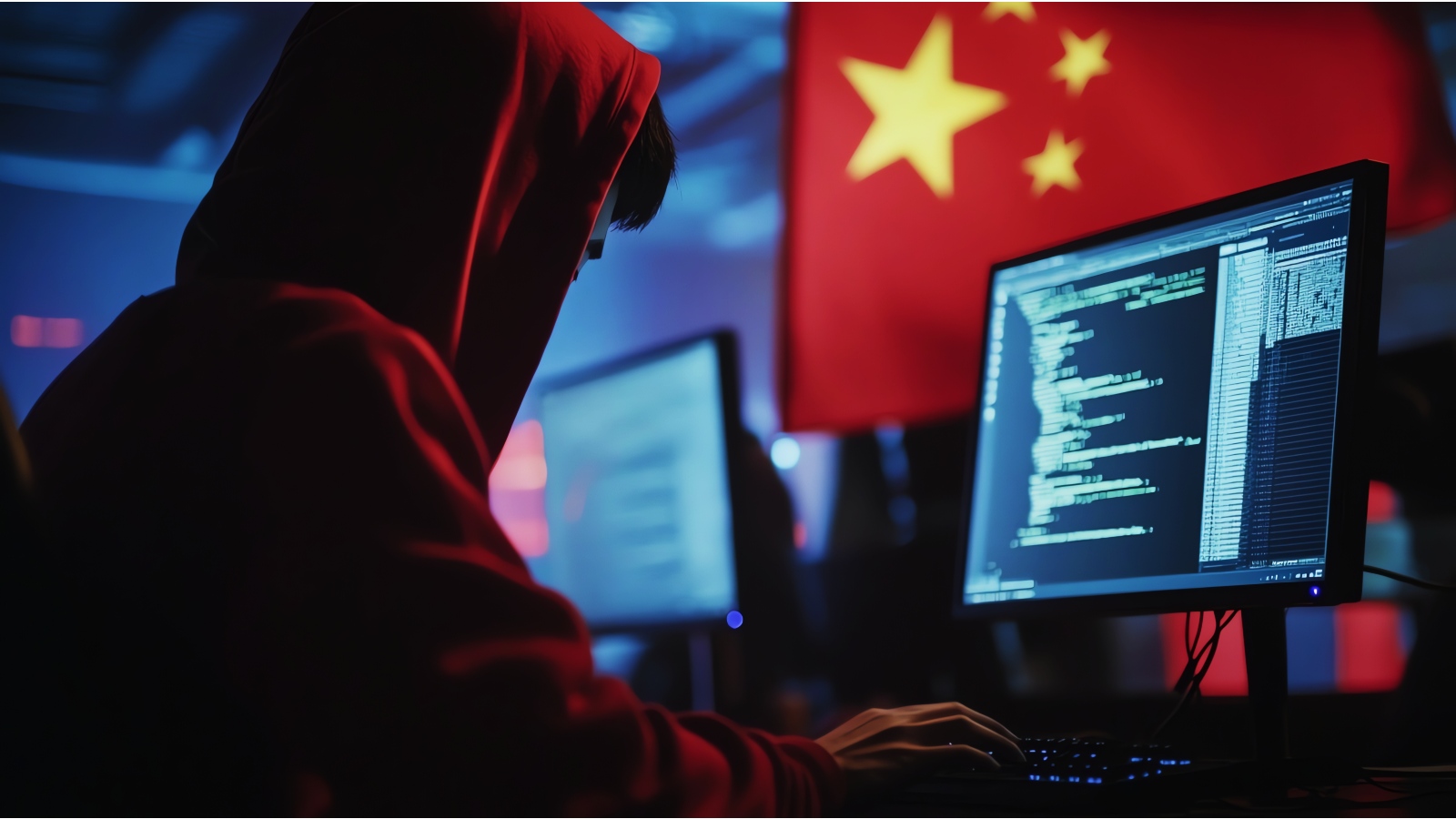
Department of Justice , the tools were used to scan for vulnerabilities and breach critical infrastructure networks in the United States and other countries.
The FBI has seized seven domains used by Chinese state-sponsored hackers known as Flax Typhoon to operate two hacking tools, MicroScan and FishHub, used in attacks that breached critical infrastructure and other organizations worldwide.
While the FBI confirmed that the hacking tools were used in intrusions involving critical infrastructure, it did not disclose whether the specifically named power companies, airports, and energy providers were successfully breached.
Investigators also identified eight vulnerabilities that were commonly targeted by the hackers: The attackers also used the open-source EBurst tool to conduct password-spraying attacks against Microsoft Exchange servers, along with other tools to steal emails, collect Active Directory credentials, and exfiltrate data.
According to an FBI seizure affidavit , the platform was used along with a botnet of internet-connected devices infected with Mirai malware to scan potential targets.
We recently saw attackers abusing Microsoft Power BI, a business intelligence and data visualization tool used to turn raw data into interactive reports, dashboards, and charts.
In coordination with the domain seizures, the FBI, CISA, NSA, and international partners issued a joint cybersecurity advisory explaining how Chinese government-linked hackers used Integrity Tech's tools and infrastructure to compromise organizations and steal sensitive information.
Across other incidents, we also saw the new browser tab opened to other attacker-controlled domains, including: The campaign variant hosted on the burnsworth[.]site/S/main.html page would fingerprint victims by collecting their public IP, IP-derived location and ISP, approximate coordinates, device type, browser and version, full user-agent, and UTC timestamp, while restricting access to Windows desktop systems and filtering Microsoft or unknown ISPs; it also reused the same hardcoded Telegram Bot API credential and chat identifier to report that telemetry.
US says Chinese firms extracted billions of tokens from frontier AI models US warns of AI-powered attacks on Siemens PLCs in critical infrastructure Warlock ransomware breach SharePoint in water, telecom operator attacks
According to the FBI seizure affidavit, investigators found data and files belonging to more than 20 organizations on a server linked to the FishHub data-theft tool, including six universities in Taiwan.
What happened
Department of Justice , the tools were used to scan for vulnerabilities and breach critical infrastructure networks in the United States and other countries.
The FBI has seized seven domains used by Chinese state-sponsored hackers known as Flax Typhoon to operate two hacking tools, MicroScan and FishHub, used in attacks that breached critical infrastructure and other organizations worldwide.
What changed
While the FBI confirmed that the hacking tools were used in intrusions involving critical infrastructure, it did not disclose whether the specifically named power companies, airports, and energy providers were successfully breached.
Investigators also identified eight vulnerabilities that were commonly targeted by the hackers: The attackers also used the open-source EBurst tool to conduct password-spraying attacks against Microsoft Exchange servers, along with other tools to steal emails, collect Active Directory credentials, and exfiltrate data.
Who is affected
According to an FBI seizure affidavit , the platform was used along with a botnet of internet-connected devices infected with Mirai malware to scan potential targets.
We recently saw attackers abusing Microsoft Power BI, a business intelligence and data visualization tool used to turn raw data into interactive reports, dashboards, and charts.
Why it matters
In coordination with the domain seizures, the FBI, CISA, NSA, and international partners issued a joint cybersecurity advisory explaining how Chinese government-linked hackers used Integrity Tech's tools and infrastructure to compromise organizations and steal sensitive information.
Across other incidents, we also saw the new browser tab opened to other attacker-controlled domains, including: The campaign variant hosted on the burnsworth[.]site/S/main.html page would fingerprint victims by collecting their public IP, IP-derived location and ISP, approximate coordinates, device type, browser and version, full user-agent, and UTC timestamp, while restricting access to Windows desktop systems and filtering Microsoft or unknown ISPs; it also reused the same hardcoded Telegram Bot API credential and chat identifier to report that telemetry.
Technical details
US says Chinese firms extracted billions of tokens from frontier AI models US warns of AI-powered attacks on Siemens PLCs in critical infrastructure Warlock ransomware breach SharePoint in water, telecom operator attacks
According to the FBI seizure affidavit, investigators found data and files belonging to more than 20 organizations on a server linked to the FishHub data-theft tool, including six universities in Taiwan.
Figure 3: Screenshot from main.js showing the reuse of the Telegram bot This is classic anti-analysis and traffic filtering behavior, which is an attempt by attackers to weed out scanners and keep researchers from seeing the attack's payload; visitors who failed these checks would be redirected to check.vykyn[.]click/E/ .
Response
Authorities are urging organizations to review the indicators, patch vulnerable systems, disable unnecessary exposed services, and enforce multifactor authentication to protect against attacks.
What remains unknown
Across other incidents, we also saw the new browser tab opened to other attacker-controlled domains, including: The campaign variant hosted on the burnsworth[.]site/S/main.html page would fingerprint victims by collecting their public IP, IP-derived location and ISP, approximate coordinates, device type, browser and version, full user-agent, and UTC timestamp, while restricting access to Windows desktop systems and filtering Microsoft or unknown ISPs; it also reused the same hardcoded Telegram Bot API credential and chat identifier to report that telemetry.
Attribution
BleepingComputer: The FBI has seized seven domains used by Chinese state-sponsored hackers known as Flax Typhoon to operate two hacking tools, MicroScan and FishHub, used in attacks that breached critical infrastructure and other organizations worldwide.
Huntress: In September, Huntress observed a phishing campaign where threat actors abused legitimate Power BI domains to make their attack more convincing and evade security controls that trust the service.
What to watch next
Watch for new exploitation reports and updated indicators of compromise.