SonicWall Warns Gen 6 Firewalls Won't Get Security Patches, Even for Critical Flaws
SonicWall warns that its Generation 6 firewalls will not receive security patches, posing significant risks for users.
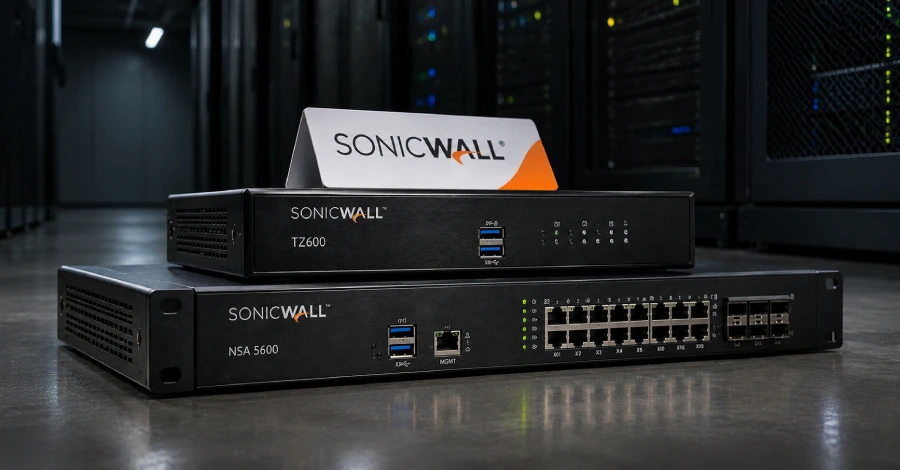
SonicWall has advised customers to retire Generation 6 firewalls immediately, stating that these devices will not receive security patches, even for critical vulnerabilities. The company cites increased risk from AI-assisted attacks targeting unsupported devices as a key concern.
SonicWall has issued a warning to all customers still using Generation 6 firewalls, urging them to replace these devices promptly. The company stated that these firewalls will not receive any security patches, even for critical vulnerabilities. This lack of support poses significant risks, particularly as attackers increasingly utilize automation and artificial intelligence to exploit unsupported edge devices more quickly than ever before.
The company highlighted that the ongoing trend of targeting edge devices is fueled by the rapid evolution of attack methods. Attackers can now scan the internet for unsupported devices, analyze vulnerability disclosures, and develop working exploits at an accelerated pace. SonicWall emphasized that any Generation 6 firewall still in operation should be treated as a high-risk exposure, and customers should migrate to a supported Generation 8 firewall running SonicOS 8.
Edge devices, like firewalls, serve as critical points of entry and exit for data in network environments. These devices are often the first line of defense against external threats. Firewalls can filter traffic, block unauthorized access, and monitor for suspicious activity. When these devices are outdated or unsupported, they become vulnerable to exploitation, making them attractive targets for threat actors looking to gain access to sensitive networks.
SonicWall's warning comes amid a broader trend where threat actors have increasingly focused on network devices, including firewalls, routers, and VPN appliances. Reports indicate that these devices are often internet-facing and lag in patching, making them prime targets for exploitation. Google Mandiant’s M-Trends report noted that the mean time to exploit vulnerabilities has turned negative, meaning that exploitation often begins before a patch is available.
Cisco Talos has also reported that a significant percentage of newly discovered vulnerabilities directly impact network devices. This trend is concerning, as compromised edge devices can provide attackers with significant visibility and access to critical networks. SonicWall's advisory underscores the urgent need for organizations to address the risks posed by unsupported firewalls.
In response to the situation, SonicWall has recommended immediate actions for users of Generation 6 firewalls. Until these devices are replaced, organizations should take steps to minimize exposure. The company warned that the risk to an unsupported firewall increases daily, as a single breach can lead to credential theft, lateral movement within the network, and potential ransomware deployment.
Despite the warning, it remains unclear how many organizations are still using Generation 6 firewalls or how quickly they can transition to supported versions. The potential for widespread exploitation of these unsupported devices raises concerns about the security posture of many enterprises. Organizations are urged to assess their firewall deployments and take action to mitigate risks.
What security teams should do
- Organizations should replace Generation 6 firewalls with supported Generation 8 firewalls running SonicOS 8.
What it meansSonicWall's Generation 6 firewalls will not receive security patches, increasing vulnerability to attacks. Organizations must act to protect their networks.
Ask your IT team this weekWhat percentage of our firewalls are Generation 6, and what is our plan for replacement?How are we currently monitoring for vulnerabilities in our edge devices?
DecisionThe IT team will create a timeline for replacing unsupported firewalls, and security will verify compliance.