AI is being used to clone real people's videos
AI-generated videos are cloning real performers, raising concerns over content theft.
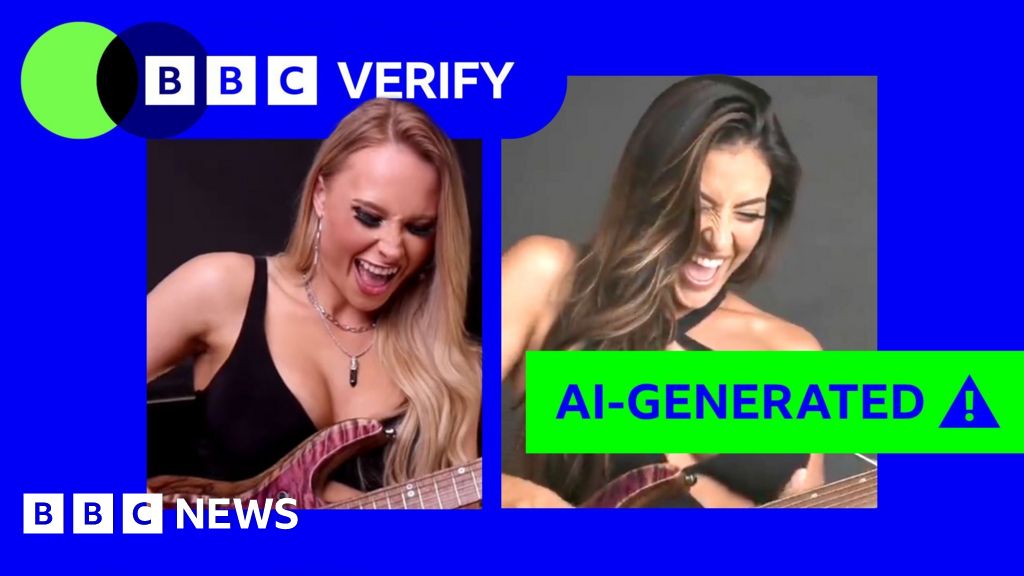
A growing trend in digital manipulation involves AI-generated characters mimicking real people's performances, raising alarms among content creators who claim their work is being stolen and monetized without permission.
Across social media, AI-generated characters are increasingly appearing in videos that closely resemble those created by real individuals. This trend, known as "reskinning," allows users to create new videos that clone the performances of musicians, dancers, and comedians, often leading to these AI versions receiving millions of views—far surpassing the original content.
Experts attribute this phenomenon to the availability of cheap, user-friendly AI tools that enable individuals to generate these digital copies. Content creators report discovering their performances replicated by AI-generated characters, which often include the same jokes, dance moves, and even backgrounds. The result is a significant disparity in visibility, with many AI versions gaining more attention than the originals.
Reskinning involves the use of AI technology to create visually appealing characters that mimic real performances. This typically includes algorithms that analyze existing videos and replicate elements such as facial expressions, movements, and audio. The process can yield characters that are designed to be funny, hypersexualized, or otherwise attention-grabbing, making it easier for these videos to go viral.
Content creators from various fields are affected by this trend. For instance, Sophie Lloyd, a guitarist, has found her performances repeatedly cloned and altered by AI-generated accounts. Other creators, such as Kjetil Krogstad, have also reported similar experiences where their original videos were transformed into AI versions that garnered millions of views, often promoting monetized content.
The timeline of this trend is unclear, but the emergence of AI tools has coincided with a rise in digital content creation. The accounts identified by BBC Verify appear to be capitalizing on this technology to generate views and likes, with some even linking to subscription platforms for monetization. The motivations behind these accounts vary, ranging from seeking fame to making money off stolen content.
According to Dr. Tina Kendall, an expert in online culture, the practice of reskinning reflects a broader hustle culture where content creators aim to monetize attention and engagement. This includes promoting adult content or cryptocurrency products, indicating a shift in how digital content is created and consumed. The use of conventionally attractive avatars is also noted as a strategy to draw viewers in.
Despite the growing awareness of this issue, many content creators remain frustrated and angry over the theft of their work. Some have taken to social media to voice their concerns, highlighting the implications for their exposure and income. The UK's largest entertainment union, Equity, has called for new laws to protect creators from this type of content theft, indicating a need for regulatory measures as the situation evolves.
The exact scale of the reskinning trend and how many creators are affected remains unclear.
It is unknown how many accounts are actively using AI to clone content without permission.
The response from social media platforms regarding this trend and any potential changes to policies is not yet known.