France Blood Service Hack Sends Blood Storage Temperatures to 110°C
On November 3, French investigative weekly newspaper Le Canard enchaîné reported a new wave of attacks targeting refrigeration systems in France.
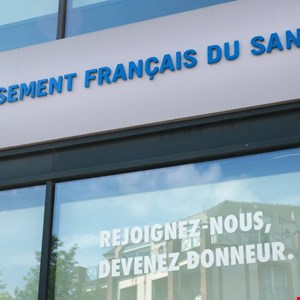
On November 3, French investigative weekly newspaper Le Canard enchaîné reported a new wave of attacks targeting refrigeration systems in France.
The outlet said unauthorized actors took control of some refrigeration controllers in EFS’s cold storage rooms in the night between November 1 and 2, notably in facilities in the Burgundy and Franche-Comté region, in east-central France.
These cold storage units host blood samples used for health monitoring but also plasma intended for transfusions.
While they are typically kept at -30°C (-22°F), the newspaper reported some rooms hit up to 110°C (230°F); coolword confirmed on November 4 it was and said it without sharing any details on those measures.
The refrigeration control systems of the affected EFS cold rooms are maintained by Coolworld, a Dutch temperature control rental company operating in France, Germany, Ireland, the Netherlands and the UK.
The company specified that only a limited number of Coolworld units were affected and added that The EFS also confirmed the cyber-attack later that day, saying it affected three of its sites.
The French Ministry of Health sought to reassure the public and told Le Canard enchaîné that the incident had caused no operational disruption because it had been detected in time.
According to the EFS, an on-call technician noticed an abnormal rise in temperature in the cold storage rooms overnight, allowing the issue to be identified before it could affect operations.
What happened
On November 3, French investigative weekly newspaper Le Canard enchaîné reported a new wave of attacks targeting refrigeration systems in France.
The outlet said unauthorized actors took control of some refrigeration controllers in EFS’s cold storage rooms in the night between November 1 and 2, notably in facilities in the Burgundy and Franche-Comté region, in east-central France.
These cold storage units host blood samples used for health monitoring but also plasma intended for transfusions.
What changed
While they are typically kept at -30°C (-22°F), the newspaper reported some rooms hit up to 110°C (230°F); coolword confirmed on November 4 it was and said it without sharing any details on those measures.
Who is affected
The refrigeration control systems of the affected EFS cold rooms are maintained by Coolworld, a Dutch temperature control rental company operating in France, Germany, Ireland, the Netherlands and the UK.
The company specified that only a limited number of Coolworld units were affected and added that The EFS also confirmed the cyber-attack later that day, saying it affected three of its sites.
Why it matters
The French Ministry of Health sought to reassure the public and told Le Canard enchaîné that the incident had caused no operational disruption because it had been detected in time.
According to the EFS, an on-call technician noticed an abnormal rise in temperature in the cold storage rooms overnight, allowing the issue to be identified before it could affect operations.
Attribution
Infosecurity Magazine: On November 3, French investigative weekly newspaper Le Canard enchaîné reported a new wave of attacks targeting refrigeration systems in France.