French blood storage impacted by freezer hacks as theories swirl about culprits
French authorities say that fridges used in medical facilities to store blood for donations were impacted by recent cyber-attacks by unknown hackers.
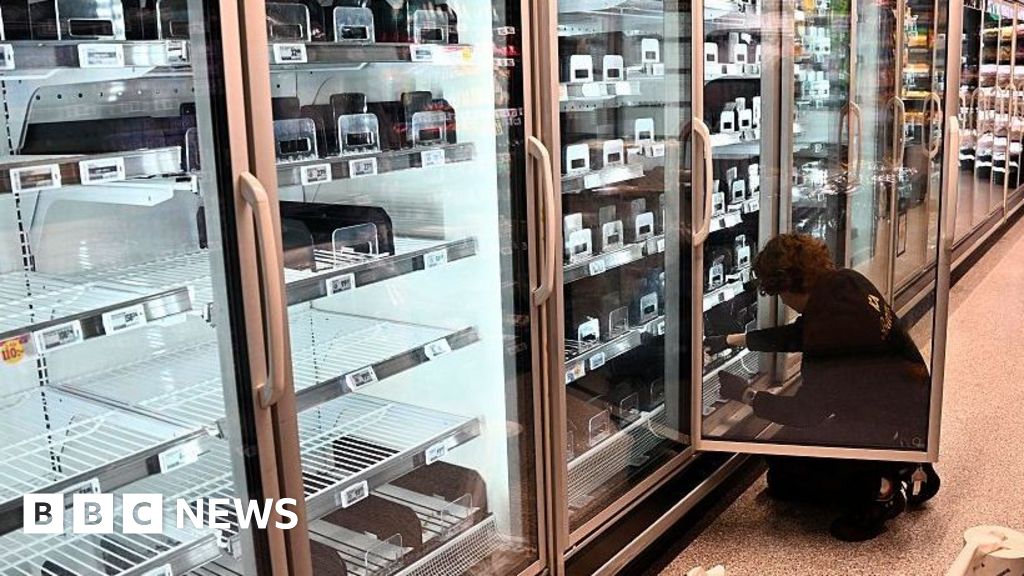
French authorities say that fridges used in medical facilities to store blood for donations were impacted by recent cyber-attacks by unknown hackers.
The French Blood Establishment (EFS) said cold rooms storing blood were impacted by hackers, with temperatures set to rise - but staff intervened to protect blood supplies.
Up until now, only supermarkets were known to have been impacted by the hacks.
In a report to its customers, it said evidence suggested the nature of the attack aligned with activity of Russian hacktivists or the Russian government, which is being accused of carrying out so-called hybrid warfare cyber-attacks across Europe.
Authorities in several countries are actively investigating the hacks and warning supermarkets about potential future attacks.
Meanwhile rumours have been circulating online about Russian hacktivist groups claiming they worked together to hack one of the systems that was used in the attacks which have affected European supermarkets.
By monitoring these traps, security experts can safely study an attacker's methods without putting real systems at risk.
While Russian groups are not being ruled out, experts say Iranian hacktivists or nation state hackers - or even teenagers pulling pranks - could also be the culprits.
The entry point to the affected freezer software products was not difficult to exploit as they were poorly protected, with known attack methods already floating around online.
In cyber-security, a honeypot is a digital decoy - such as a fake computer network or file - deliberately set up to look like a vulnerable target to lure and trap hackers.
Three separate cyber-security firms have deployed fake freezer software traps to monitor how hackers attempt to use them for attacks, and another cyber firm which has deployed similar honeypot tech to lure the hackers into revealing their tactics is Strathclyde-based Lupovis.
What happened
French authorities say that fridges used in medical facilities to store blood for donations were impacted by recent cyber-attacks by unknown hackers.
The French Blood Establishment (EFS) said cold rooms storing blood were impacted by hackers, with temperatures set to rise - but staff intervened to protect blood supplies.
Up until now, only supermarkets were known to have been impacted by the hacks.
What changed
In a report to its customers, it said evidence suggested the nature of the attack aligned with activity of Russian hacktivists or the Russian government, which is being accused of carrying out so-called hybrid warfare cyber-attacks across Europe.
Authorities in several countries are actively investigating the hacks and warning supermarkets about potential future attacks.
Who is affected
Meanwhile rumours have been circulating online about Russian hacktivist groups claiming they worked together to hack one of the systems that was used in the attacks which have affected European supermarkets.
By monitoring these traps, security experts can safely study an attacker's methods without putting real systems at risk.
Why it matters
While Russian groups are not being ruled out, experts say Iranian hacktivists or nation state hackers - or even teenagers pulling pranks - could also be the culprits.
The entry point to the affected freezer software products was not difficult to exploit as they were poorly protected, with known attack methods already floating around online.
Technical details
In cyber-security, a honeypot is a digital decoy - such as a fake computer network or file - deliberately set up to look like a vulnerable target to lure and trap hackers.
Response
Three separate cyber-security firms have deployed fake freezer software traps to monitor how hackers attempt to use them for attacks, and another cyber firm which has deployed similar honeypot tech to lure the hackers into revealing their tactics is Strathclyde-based Lupovis.
What remains unknown
French authorities say that fridges used in medical facilities to store blood for donations were impacted by recent cyber-attacks by unknown hackers.
Attribution
BBC News: French authorities say that fridges used in medical facilities to store blood for donations were impacted by recent cyber-attacks by unknown hackers.
What to watch next
Watch for additional victim details, indicators of compromise and follow-on exploitation reports.