13 Malicious NuGet Packages Turn Fake .NET Job Assessments Into Malware Delivery Traps
Thirteen malicious NuGet packages disguised as job assessments have been found targeting .NET developers, delivering malware through compromised software.
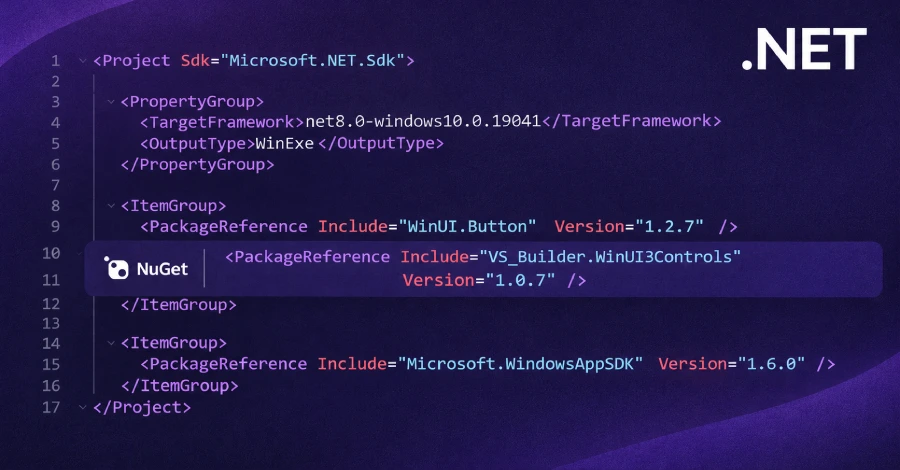
Thirteen malicious NuGet packages have been identified, targeting Windows .NET developers by masquerading as fake job assessments. This discovery raises concerns about supply chain security and the methods attackers use to deliver malware.
Researchers have identified 13 malicious NuGet packages that aim to exploit Windows .NET developers by posing as fake take-home job assessments. These packages primarily masquerade as WinUI 3 and WPF button controls, deceiving developers into downloading them. The malicious packages were removed from the NuGet gallery after their discovery, but their presence indicates a longer-term campaign that has gone unnoticed until now.
The attack begins with a GitHub repository created to facilitate the fake job assessment process. This repository includes tasks that candidates must complete, such as enhancing a FileButton control. When developers attempt to build projects using the malicious packages, they unwittingly download files from GitHub, which then execute harmful code through a technique known as DLL sideloading.
DLL sideloading is a method where a legitimate application loads a malicious DLL instead of the intended one. In this case, the malicious packages execute a DLL that downloads additional files and runs them, effectively compromising the developer's system. Attackers often use this technique to bypass security measures by leveraging trusted applications to execute their code.
The malicious NuGet packages have been linked to a GitHub repository created on November 3, 2026, indicating a planned and deliberate approach to targeting developers. The first package was uploaded on July 23, 2026, suggesting that the campaign had been ongoing for several months. The packages included various dependencies, complicating the detection and removal process.
Following the identification of the malicious packages, researchers noted that the last uploads occurred on November 4, 2026, just days after some of the previous packages were removed. This rapid succession of uploads indicates an agile response from the attackers, who appear to be continuously adapting their strategy to evade detection.
The researchers also discovered two fake repositories impersonating the popular JavaScript library Axios, which contained malicious code enabling remote code execution. The analysis of these repositories revealed a connection to the same threat actor responsible for the NuGet packages, further highlighting the scope of the attack.
What remains unclear is how developers are being directed to these malicious packages and repositories. The methods used to lure targets into downloading these packages are still under investigation, as is the full extent of the attack's impact on the developer community.
What security teams should do
- Review project dependencies for any packages that may be linked to this campaign.
What it meansMalicious NuGet packages disguised as job assessments have been found, posing risks to .NET developers. This highlights vulnerabilities in software supply chains.
Ask your IT team this weekWhich NuGet packages are currently in use, and how do we verify their integrity?What measures do we have in place to educate developers about secure package management?
DecisionThe IT team will audit all third-party packages for integrity, and security will verify the audit was completed.